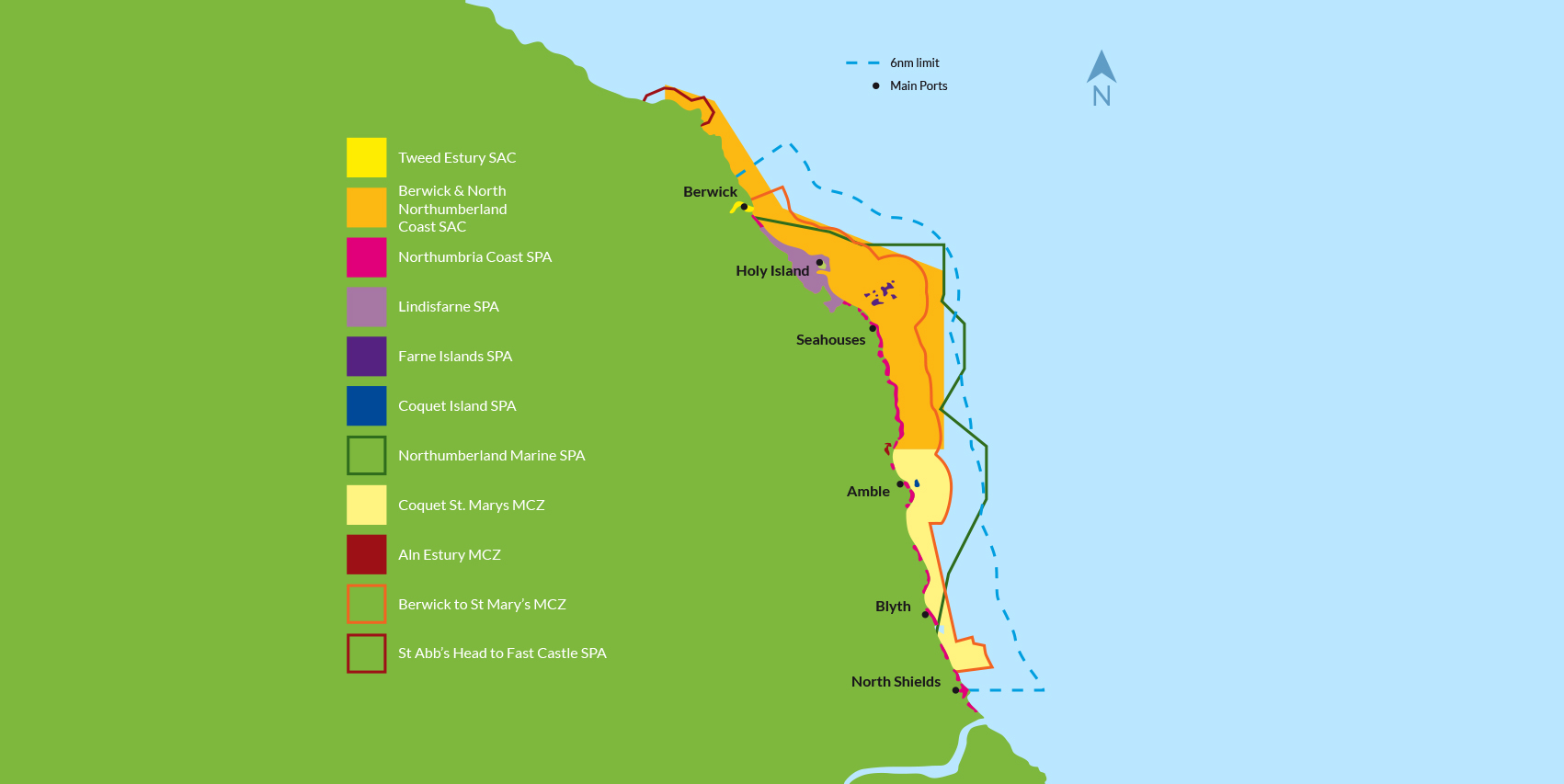
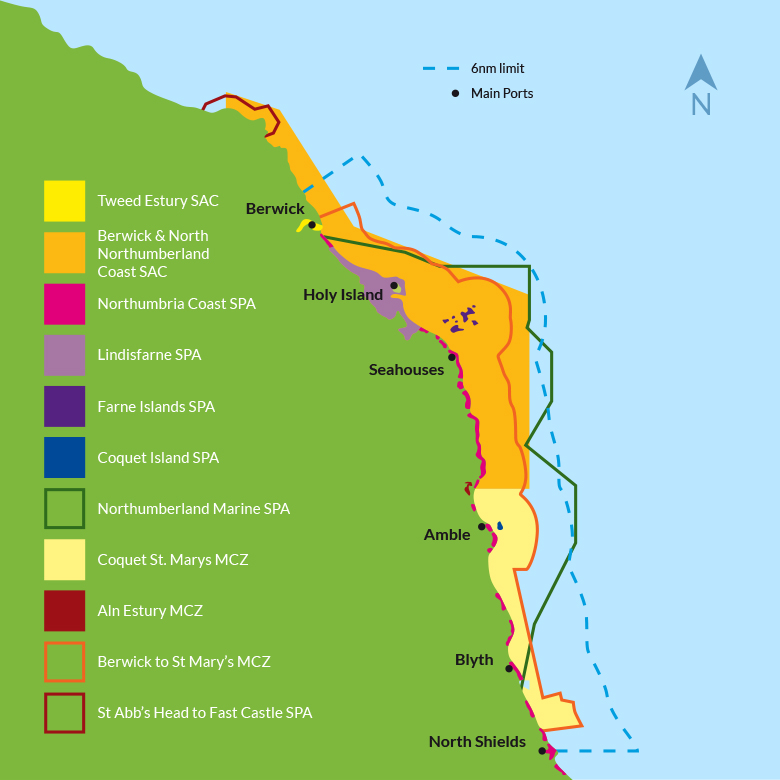
MPAs in our Area
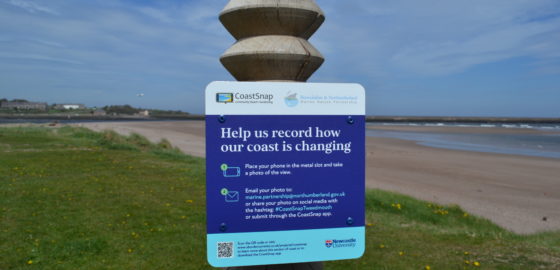
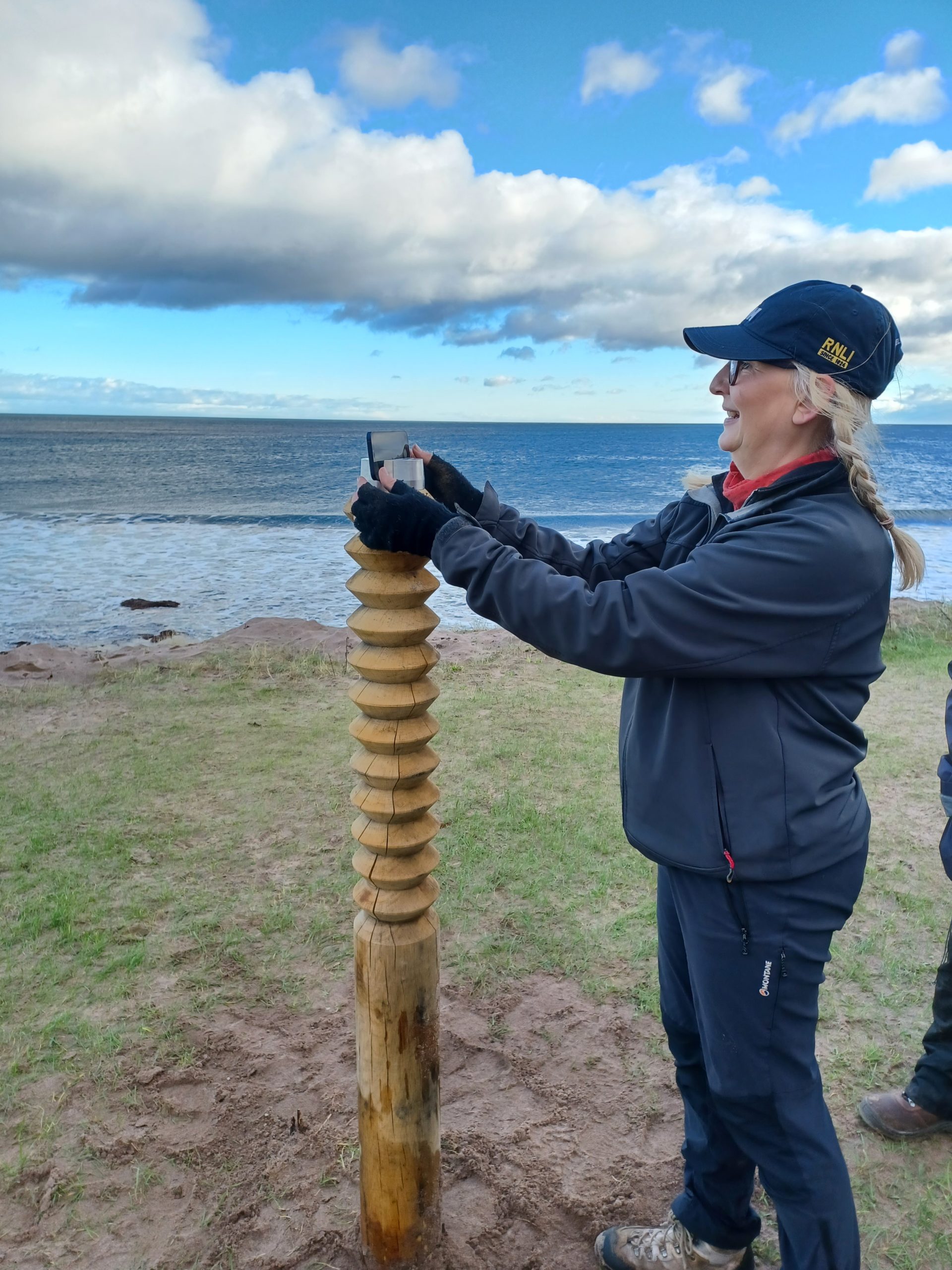
The sunshine has been bringing more of us to the coast, and we’ve been receiving lots of photos from residents and visitors alike. So we wanted to say a big THANK YOU for all your photos! Every submission helps to build a long-term dataset of changes to the coast, helping us to understand how climatic changes are affecting Berwickshire, Northumberland and North Tyneside’s coasts. Keep those photos coming in!
Last winter’s storms caused heavy erosion on our beaches. In many places there were reports of shipwrecks and WW2 defences ‘surfacing’ as sand was scoured away. We’ve been working with Newcastle University to use CoastSnap images to calculate how much sand is removed after events like this. The analysis below uses photos from September 2025 (blue) and February 2026 (red) to calculate change in beach width. As the sand is washed away, the sea can reach farther up the shore. This causes the beach width to decrease.
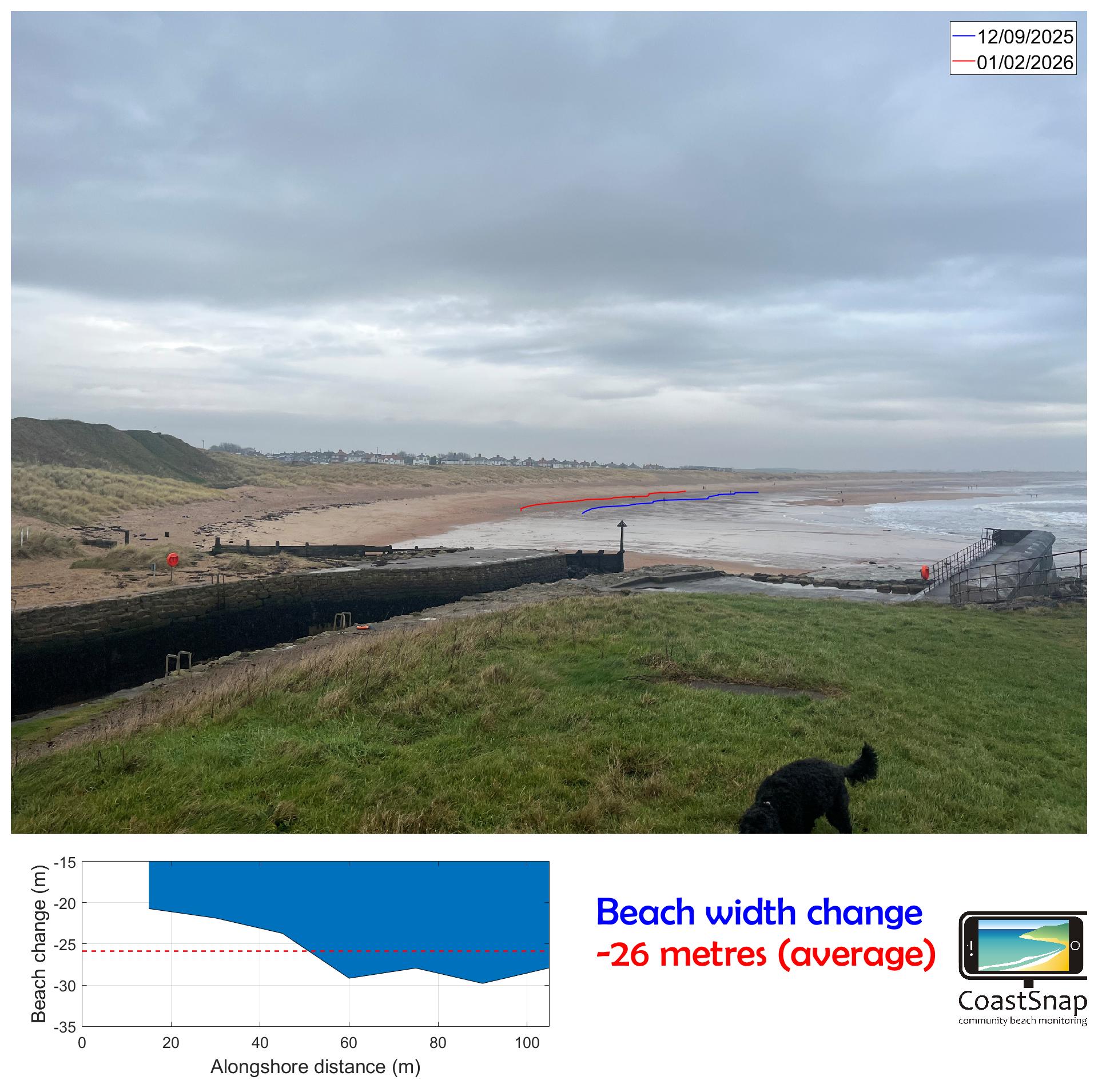
A decrease of 26 metres of beach width is huge – but don’t worry. Sandy beaches are dynamic environments, changing all the time. The sand is already building back up now the storms are (mostly!) over. Changes in coastlines happen over long time periods, and CoastSnap helps us understand long-term changes as well as short-term ones.
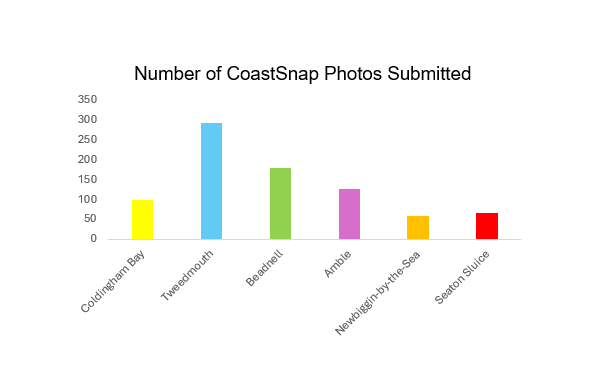
Since the first CoastSnap post went into the ground in 2023, we’ve had over 800 photos submitted across 6 locations, thanks to hundreds of you, citizen scientists. The graph below shows the number of photos at each post. Tweedmouth is leading the way, but Beadnell is not far behind. Can we reach 1000 submissions by the end of the year?
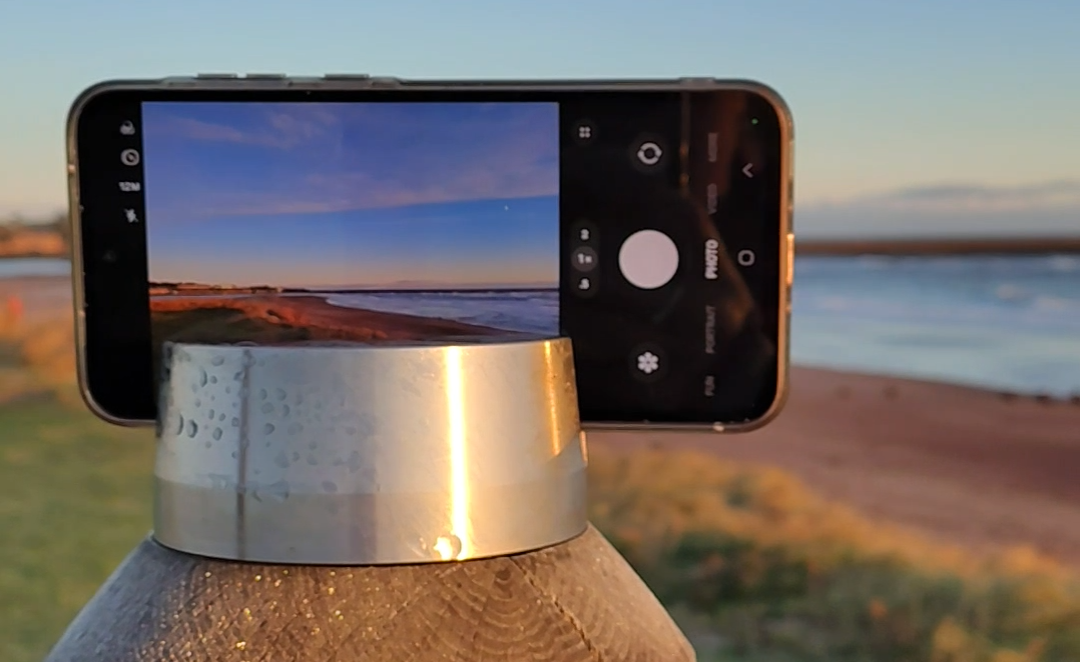
Consistency is key! If you’re regularly passing a CoastSnap post whilst out for a walk, run or cycle, take 2 minutes to snap and send a picture of the coast. For more info about the project, or to find your nearest post, visit CoastSnap | Berwickshire & Northumberland Marine Nature Partnership
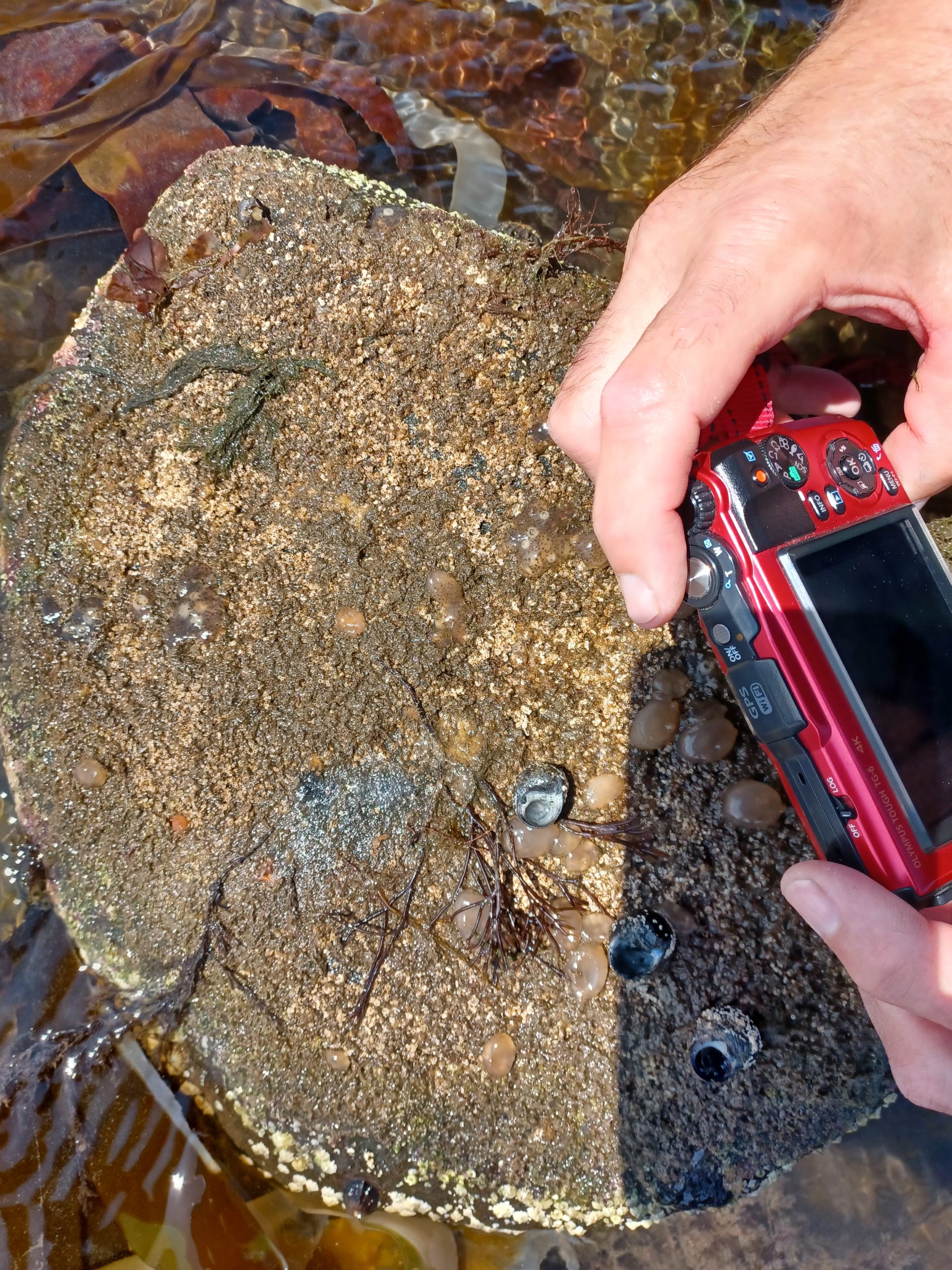
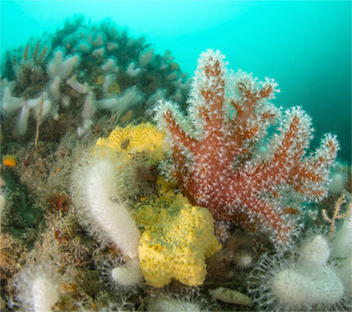
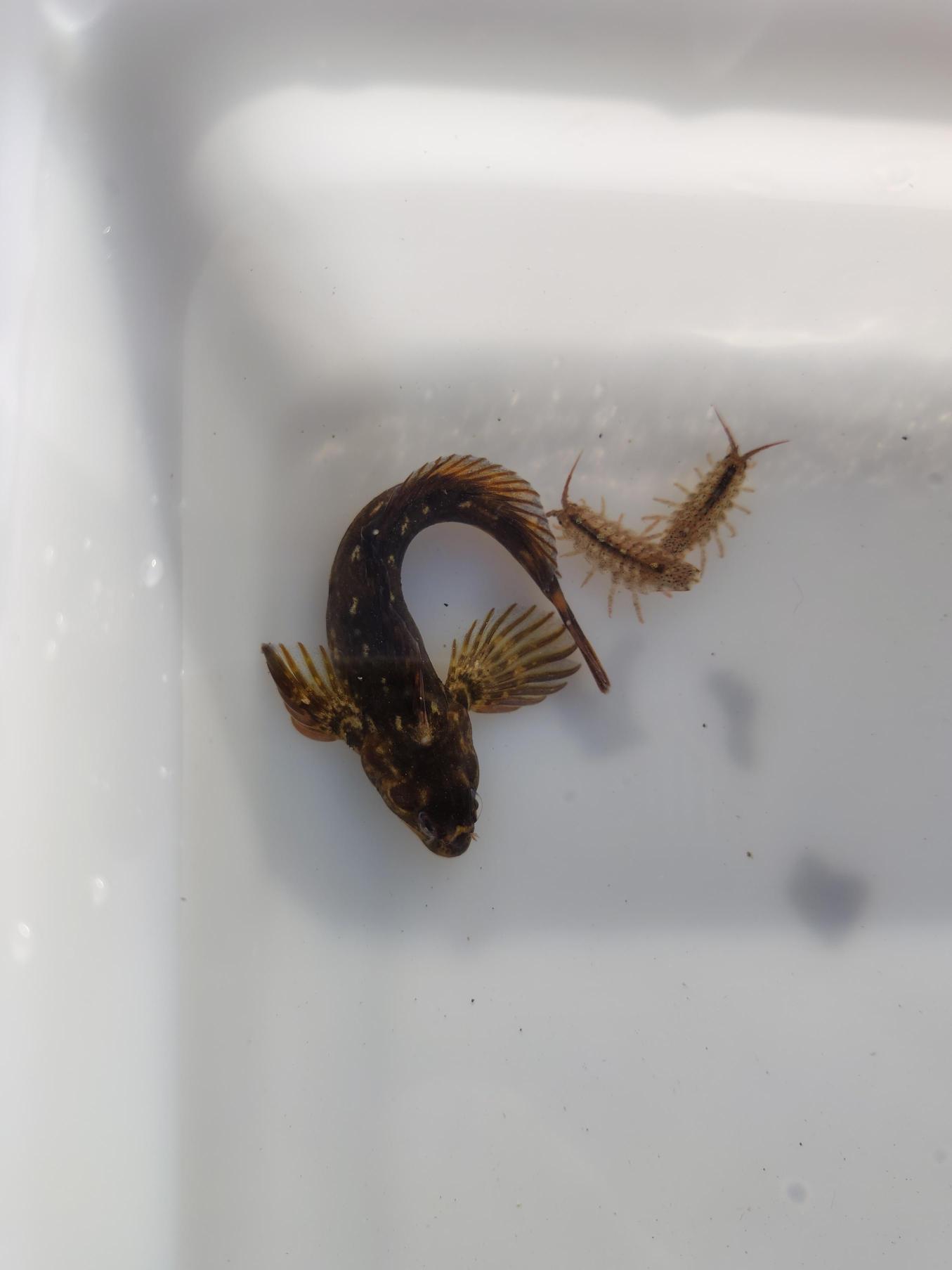
Orange-tipped Sea Squirt at Boulmer, Northumberland (Berwickshire and Northumberland Marine Nature Partnership)
Citizen science is simply the collection and submission of scientific data from anyone with an interest or time to contribute to a project or research question. It is a useful tool often used to collect data on the natural world.
Contributing as a citizen scientist could be as simple as taking a photograph of something you found at the beach and sending it on to an expert. Or, it could be as complex as completing and submitting a full survey. Schemes could be regional, such as Eider Aware North East. They could be national, like the Marine Conservation Society’s Great British Beach Clean. Or even global, such as the City Nature Challenge. They may be ongoing through the year to track when changes are happening or occur on specific dates annually to take a snapshot in time.
For scientists, conservation organisations and campaigners, using citizen science can generate big datasets covering an area far larger than would be possible to gather with staff time alone. Larger datasets can build a clearer picture of what is happening in a population or habitat. Clearer patterns help conservation decisions to be made with greater confidence. Citizen science also provides essential evidence to support calls for better protections for wild places, such as marine or coastal environments. By involving people from non-scientific backgrounds, citizen science can take conversations about species declines or habitat management out of scientific circles and into the public sphere, prompting conversations, generating support for campaigns and promoting nature-friendly behaviours in daily life.
Citizen science encourages and empowers everyone to discover, learn about and study the nature on their doorsteps. By getting involved, citizen scientists report several benefits, from enjoying community participation, building knowledge and feeling connected to nature.
In a world where we are often cut off from nature, citizen science gives us a reason to take notice, something to look out for, and inspire us to keep learning. Just getting outside and looking for nature can boost wellbeing and health.
Citizen science is good for nature, and good for us.
Got a few moments? Submit your eider sightings for the Eider Aware project to help us track populations and duckling survival. We’re especially interested in sightings of duckling and of disturbance to the eiders. More info here
Got an afternoon? Come along to our rocky shore ramble as part of the City Nature Challenge, and learn how to use iNaturalist. Sign up here
Spotted some wildlife? Download the iNaturalist app to report your sightings. More info here
Passing a CoastSnap post? You could stop and snap a picture to help us track coastal changes. Find out more and discover post locations here
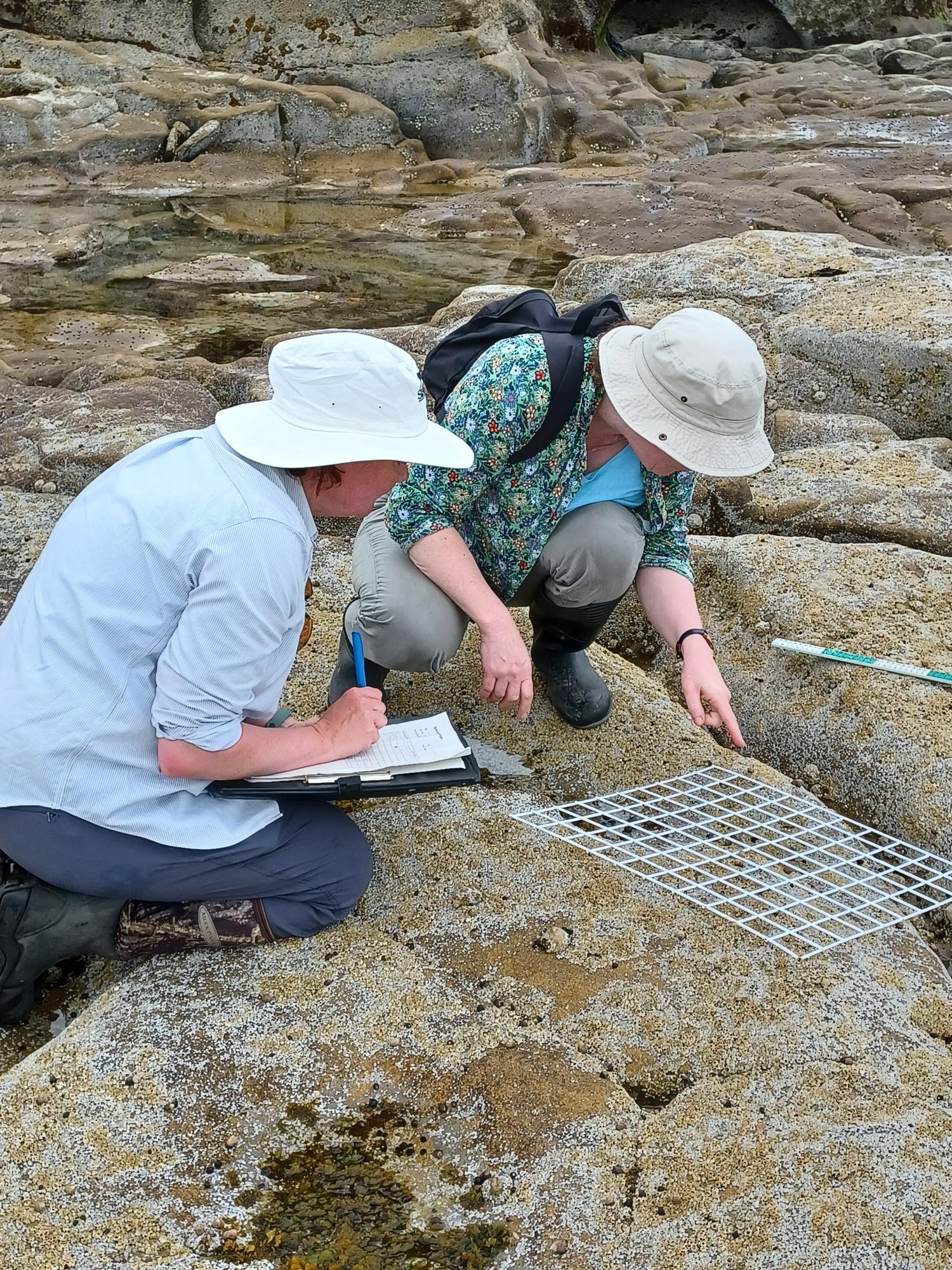
Are you part of a volunteer group that would like to learn how to undertake rocky shore surveys? Contact amy.hopley@northumberland.gov.uk for more information.
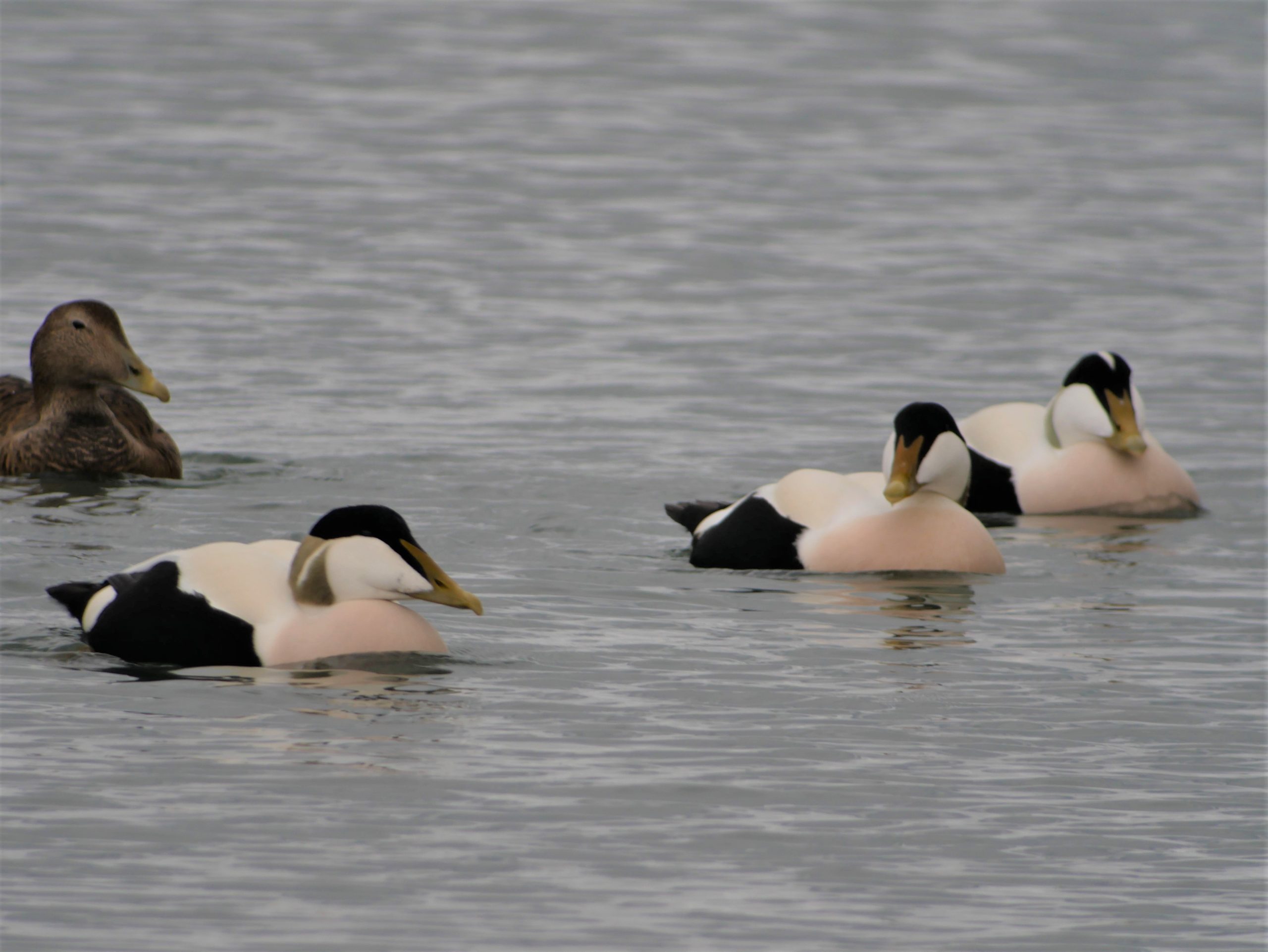
20th March is the day we celebrate the Common Eider! Traditionally associated with St Cuthbert, the iconic ‘cuddy duck’ is easy to identify around our coasts at this time of year.
To celebrate, we are teaming up with Space for Shorebirds to deliver 3 FREE events for anyone to come along and learn more about the life of the eider duck, the habitats they need to survive, and how we can all help protect the UK’s largest sea duck.
Booking is essential for events – see below to secure your place!
09:30 – 11:30 Rocky shore ramble at Amble
Discover the hidden world of the rocky shore with a guided tour of the world between the tides, and discover how protecting this habitat helps eider ducks and thousands of other birds survive the winter
Book here: https://www.eventbrite.com/e/1982425855098?aff=oddtdtcreator
13:30 – 15:30 Eiders, Art and History guided walk and watercolour workshop
Stretch your legs and artistic skills in the afternoon with a guided walk around Beadnell with history and wildlife experts, followed by an outdoor watercolour workshop with artist Sofia Barton, to capture some of the memories from the walk in a piece of art to take home.
Book here: https://www.eventbrite.com/e/1982431599279?aff=oddtdtcreator
17:00 – 18:30 A Duckling’s Journey Family Walk
A short walk around Seahouses perfect for little legs, where we will go and meet some eider ducks in the harbour, then head to the beach to learn how eider mums build their cosy nests for their eggs, and where ducklings go to find food! There will be nest building games, rockpooling challenges, and some storytelling as the sun goes down. If we’re lucky, we may even spot a few stars!
Book here: https://www.eventbrite.com/e/1983070105067?aff=oddtdtcreator
The Berwickshire and Northumberland Marine Nature Partnership is inviting applications to our student bursary scheme for 2026. The scheme awards small grants of up to £300 for successful applications to help support dissertations undertaken by both undergraduate and post-graduate students. The prime criterion is that the geographical area covered by the dissertation must coincide, either totally or partially, with that of the Berwickshire and Northumberland Marine Nature Partnership (the River Tyne in England to Fast Castle Head in Scotland). The project would have to be on a coastal/marine topic or theme that furthers the knowledge base in the Marine Nature Partnership area.
Further details of the Scheme can be found in this flier
An application form, and details of our research priorities, can be found HERE
The closing date for applications is the 27th April 2026
Public consultation for the Draft North of Tyne Local Nature Recovery Strategies (LNRS) has begun, and is running from Friday 14 November 2025, until 5pm on Friday 9 January 2026.
Local Nature Recovery Strategies were introduced by the Environment Act 2021, with 48 different strategies being produced covering all of England. They are intended set out the nature ambitions and priorities for nature recovery in the area they cover. The North of Tyne LNRS covers all of Northumberland, Newcastle and North Tyneside and includes a Coastal and Marine chapter setting out priorities for the coastal zone. Priority habitats identified in the draft strategy include blue mussel beds, saltmarsh and rocky reefs.
More information, and details of how to respond to the consultation, can be found at this link.
We work regularly with our partners to develop individual projects to address specific issues or management needs on marine protected areas.
Take a look at our most recent project or view all of our projects.