
Published: 17th April 2026
Blog Post: The Power of Citizen Science
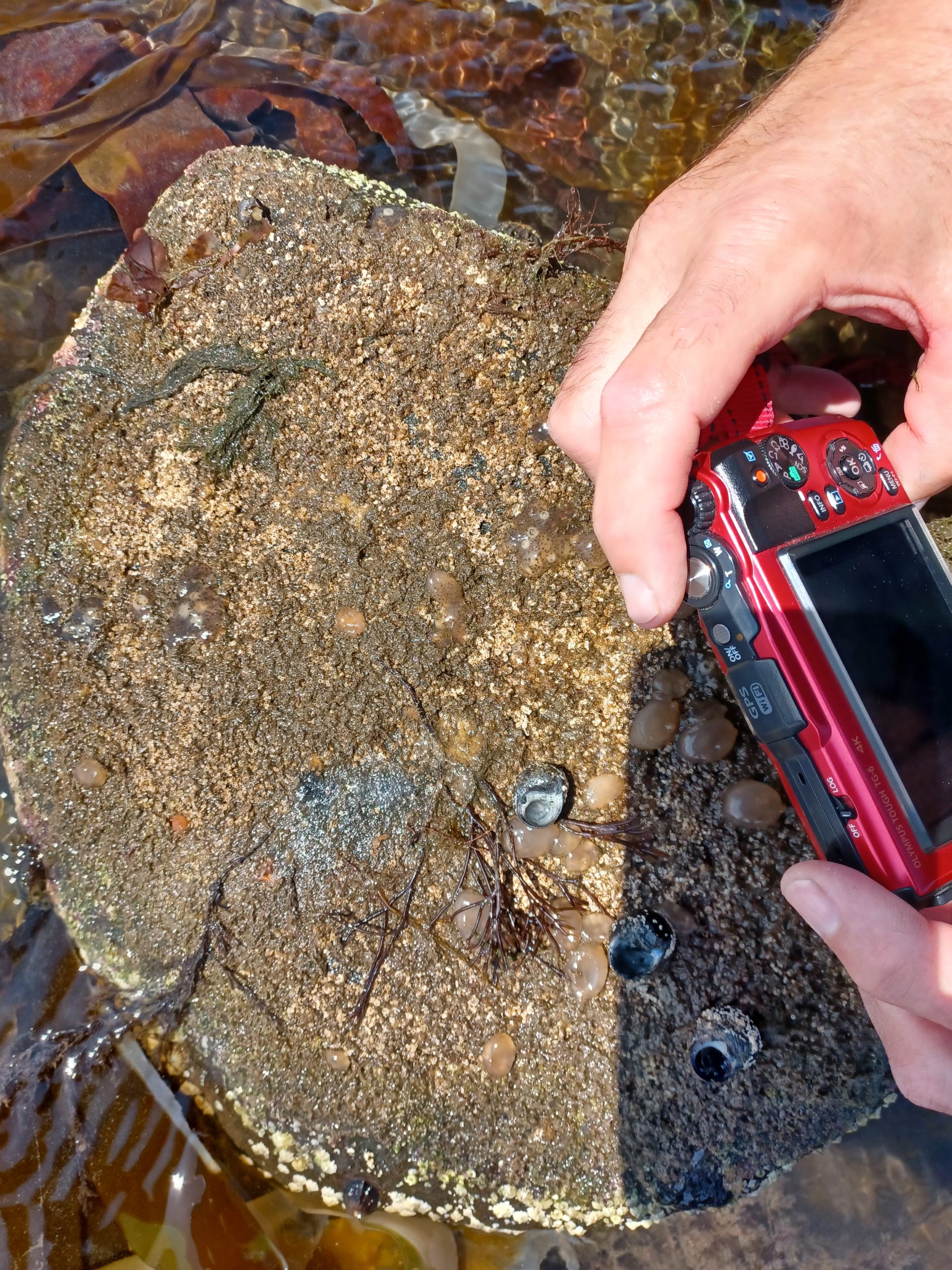
Orange-tipped Sea Squirt at Boulmer, Northumberland (Berwickshire and Northumberland Marine Nature Partnership)
What is Citizen Science?
Citizen science is simply the collection and submission of scientific data from anyone with an interest or time to contribute to a project or research question. It is a useful tool often used to collect data on the natural world.
Contributing as a citizen scientist could be as simple as taking a photograph of something you found at the beach and sending it on to an expert. Or, it could be as complex as completing and submitting a full survey. Schemes could be regional, such as Eider Aware North East. They could be national, like the Marine Conservation Society’s Great British Beach Clean. Or even global, such as the City Nature Challenge. They may be ongoing through the year to track when changes are happening or occur on specific dates annually to take a snapshot in time.
How can citizen science help marine species?
For scientists, conservation organisations and campaigners, using citizen science can generate big datasets covering an area far larger than would be possible to gather with staff time alone. Larger datasets can build a clearer picture of what is happening in a population or habitat. Clearer patterns help conservation decisions to be made with greater confidence. Citizen science also provides essential evidence to support calls for better protections for wild places, such as marine or coastal environments. By involving people from non-scientific backgrounds, citizen science can take conversations about species declines or habitat management out of scientific circles and into the public sphere, prompting conversations, generating support for campaigns and promoting nature-friendly behaviours in daily life.
How does citizen science help people?
Citizen science encourages and empowers everyone to discover, learn about and study the nature on their doorsteps. By getting involved, citizen scientists report several benefits, from enjoying community participation, building knowledge and feeling connected to nature.
In a world where we are often cut off from nature, citizen science gives us a reason to take notice, something to look out for, and inspire us to keep learning. Just getting outside and looking for nature can boost wellbeing and health.
Citizen science is good for nature, and good for us.
Visit the links below to get involved in some schemes in the Berwickshire and Northumberland Marine Nature Partnership Area – find one that’s right for you!
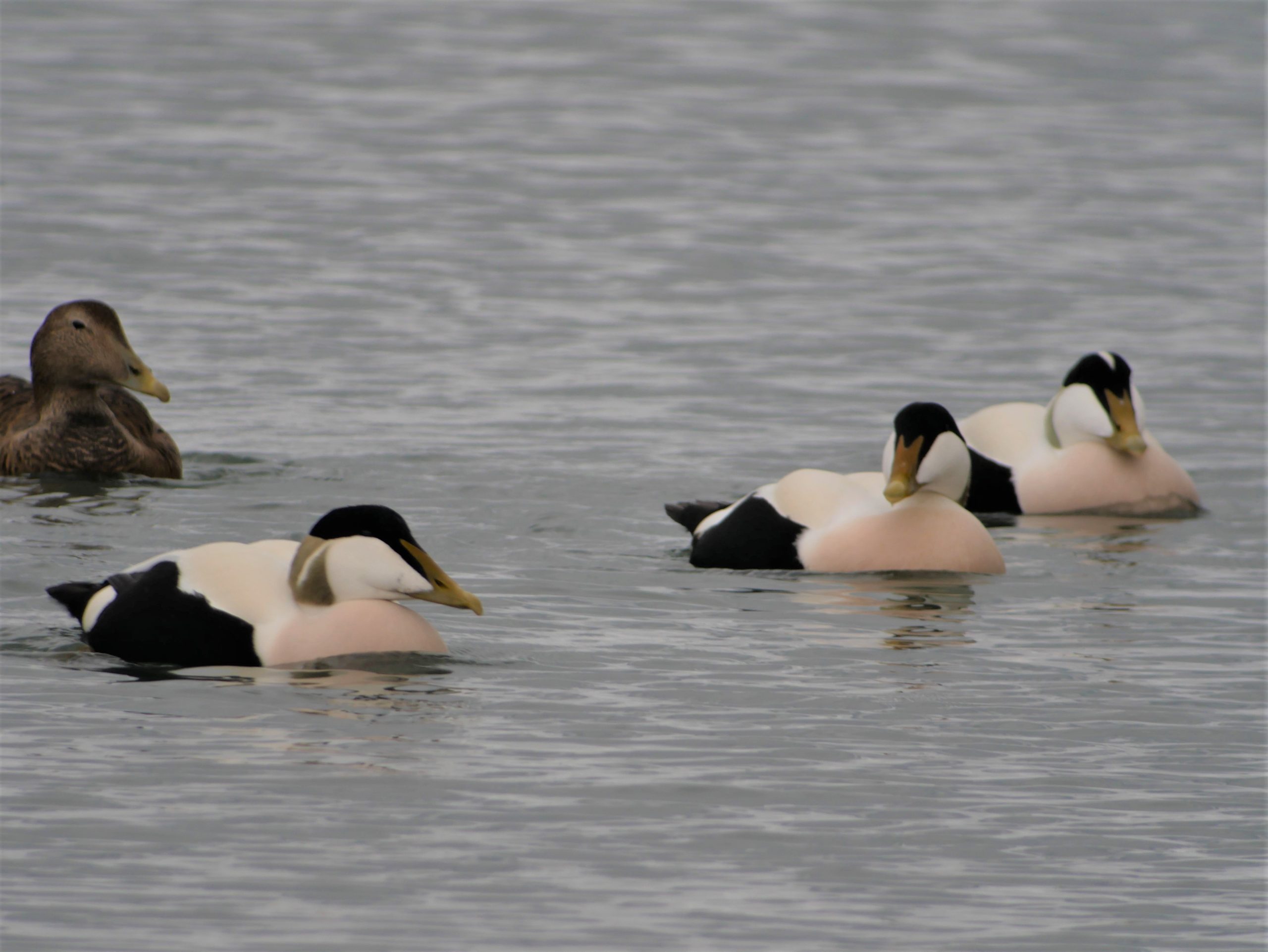
Got a few moments? Submit your eider sightings for the Eider Aware project to help us track populations and duckling survival. We’re especially interested in sightings of duckling and of disturbance to the eiders. More info here
Got an afternoon? Come along to our rocky shore ramble as part of the City Nature Challenge, and learn how to use iNaturalist. Sign up here
Spotted some wildlife? Download the iNaturalist app to report your sightings. More info here
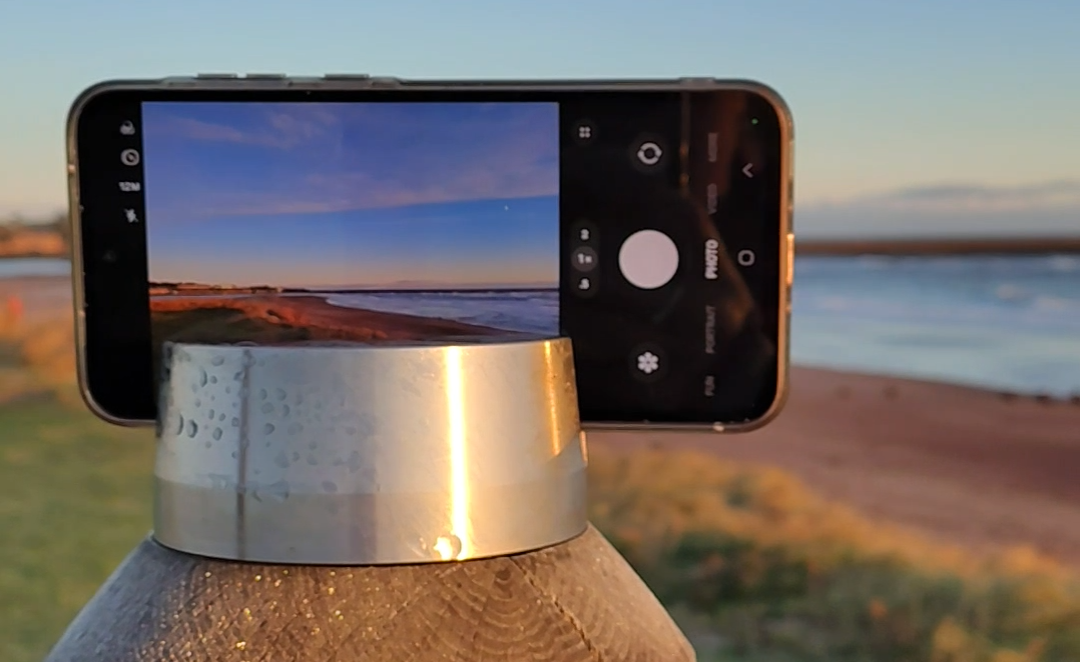
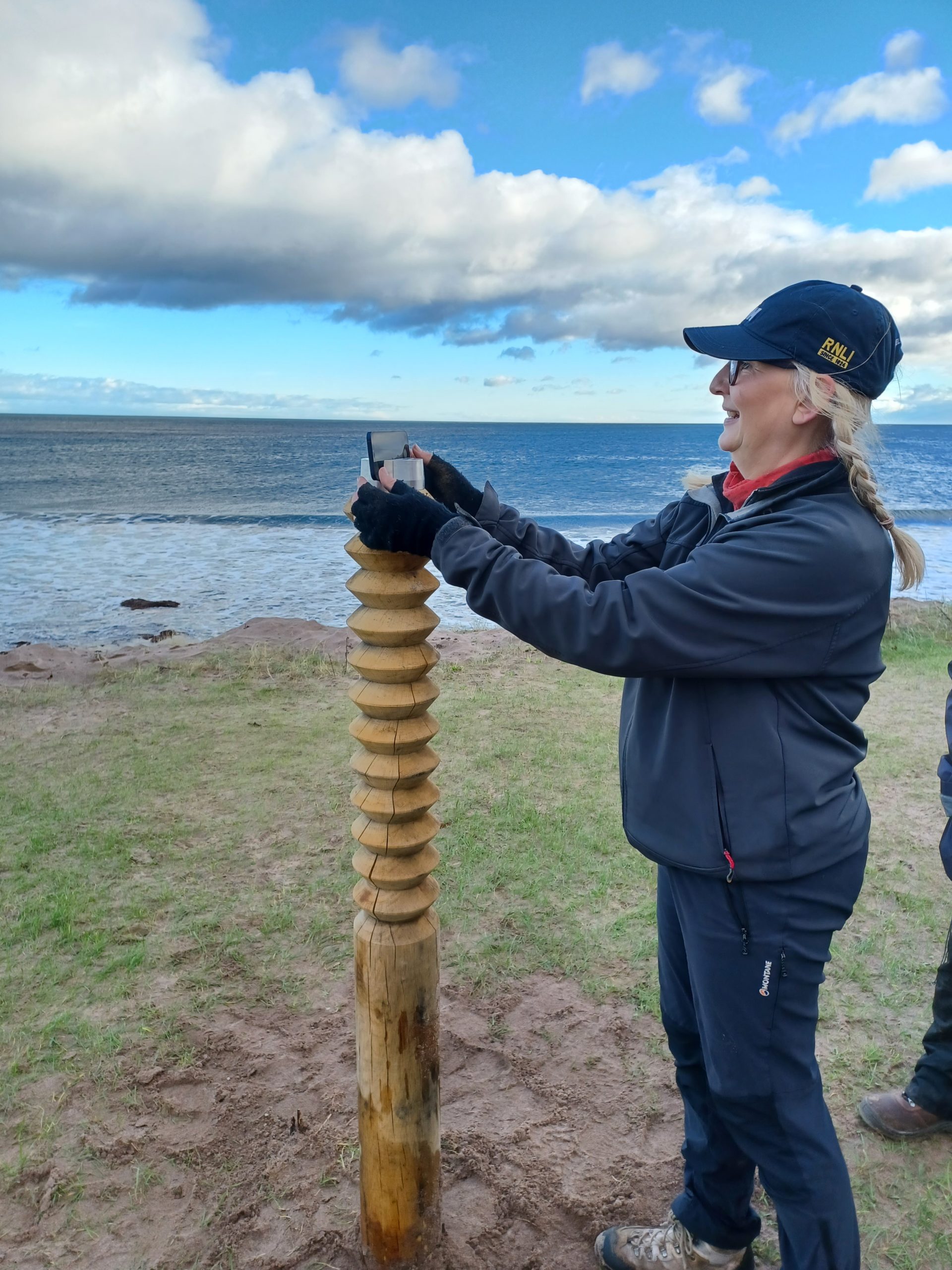
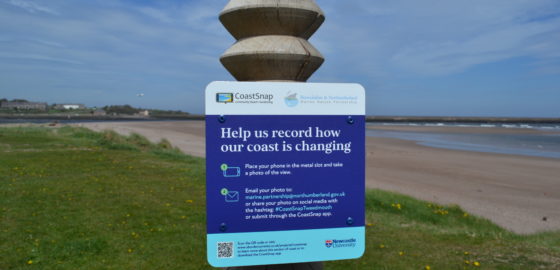
Passing a CoastSnap post? You could stop and snap a picture to help us track coastal changes. Find out more and discover post locations here
Are you part of a volunteer group that would like to learn how to undertake rocky shore surveys? Contact amy.hopley@northumberland.gov.uk for more information.
-
- CoastSnap Post at Tweedmouth
-
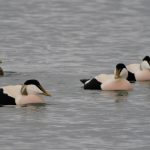
- Eider ducks at Seahouses
-
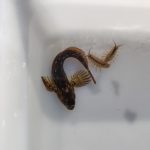
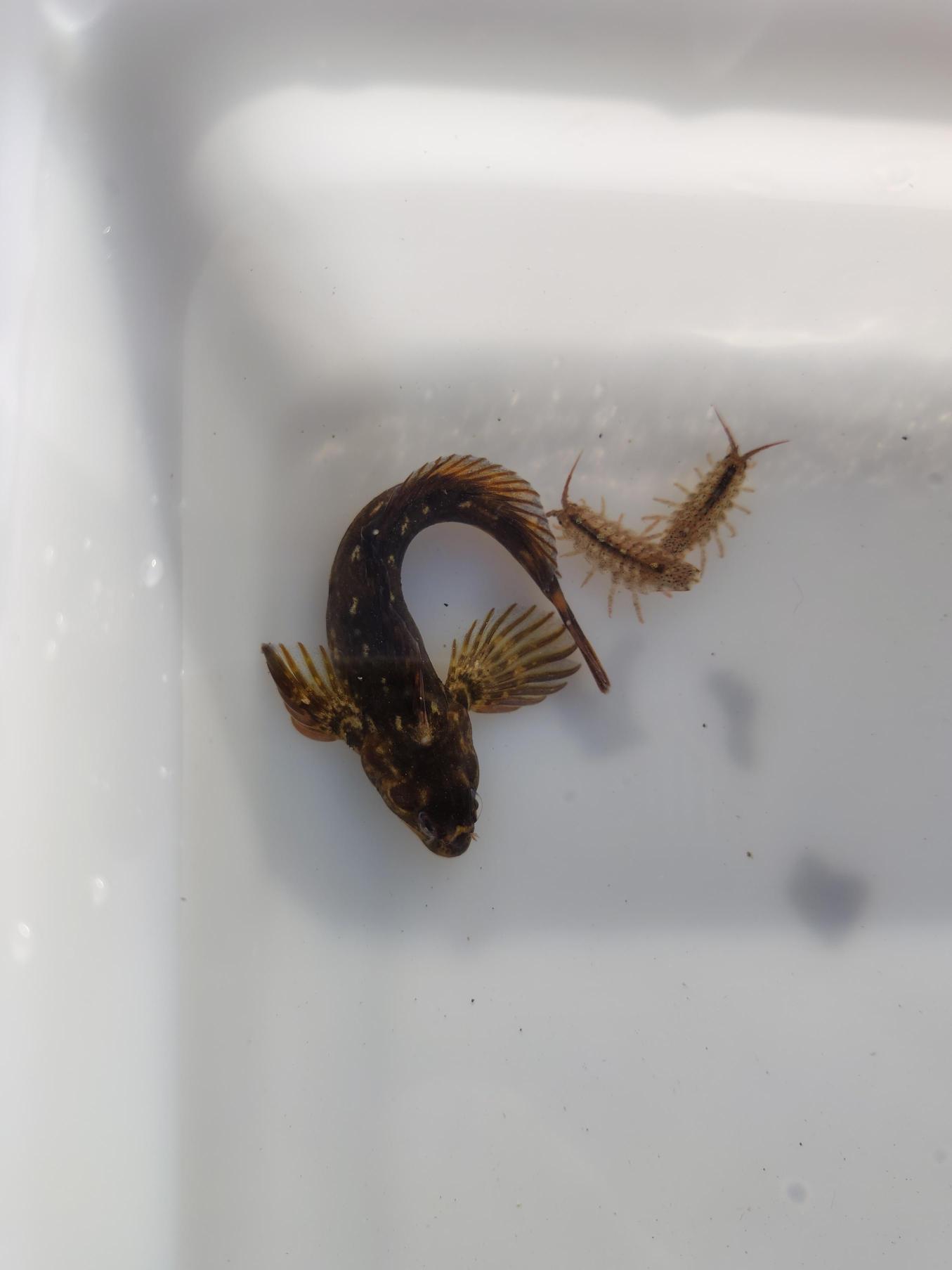
- Rockpool survey finds
-
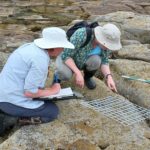
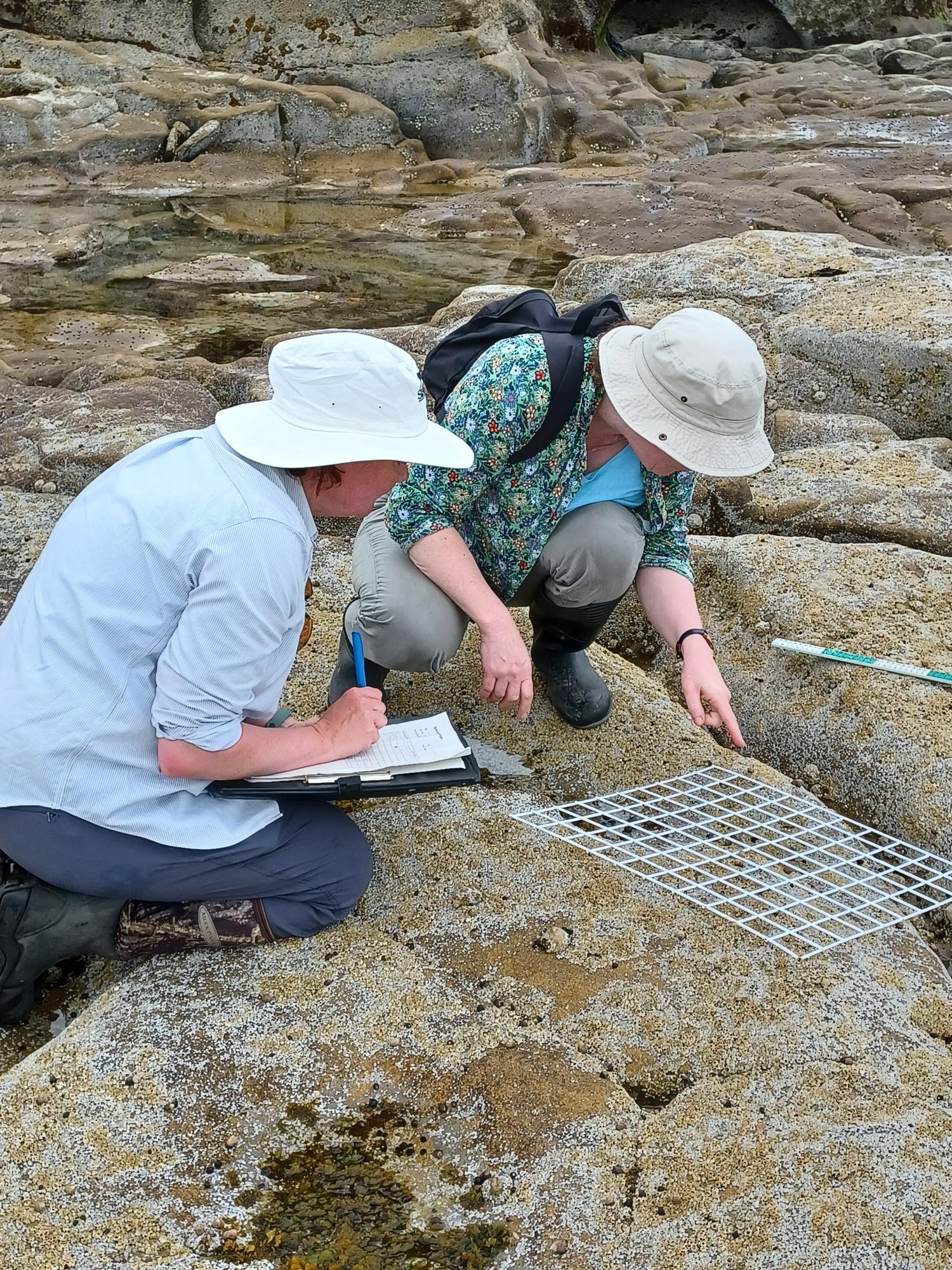
- Rocky shore monitoring at Amber (Berwickshire and Northumberland Marine Nature Partnership)
-
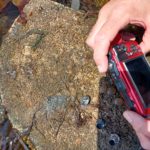
- Orange-tipped Sea Squirt at Boulmer, Northumberland (Berwickshire and Northumberland Marine Nature Partnership)
CoastSnap Post at Tweedmouth


